Niche Relevant Backlinks: Ultimate Guide to Understand and Build Them
What Are Niche Backlinks?
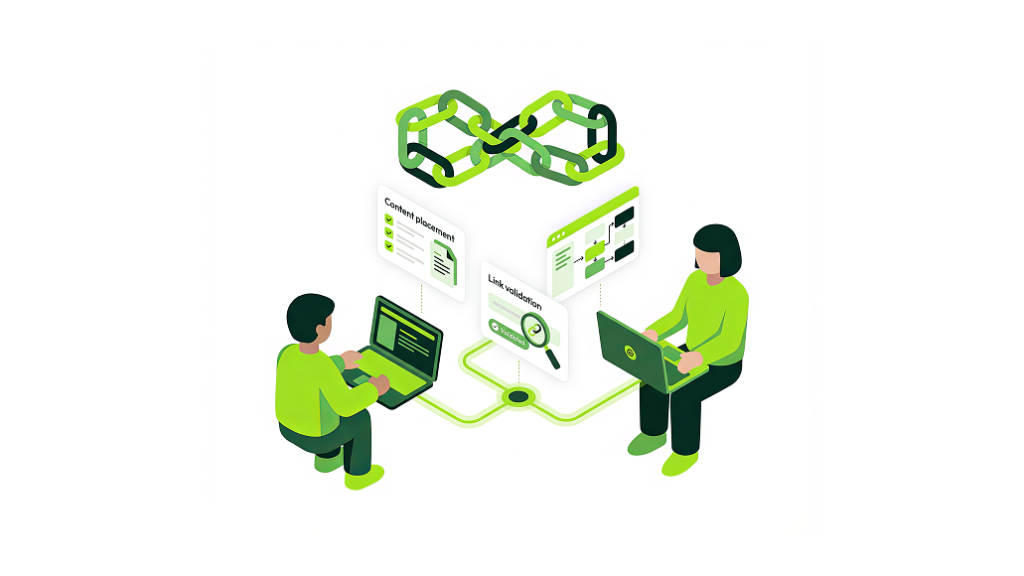
Niche relevant backlinks are links that come from other websites, pages, or articles back to your website. We work with referring domains that are related to your topic, industry, or visitors. Relevance can be routed to the domain, page, surrounding content, or audience.
Niche Relevant Backlink Example
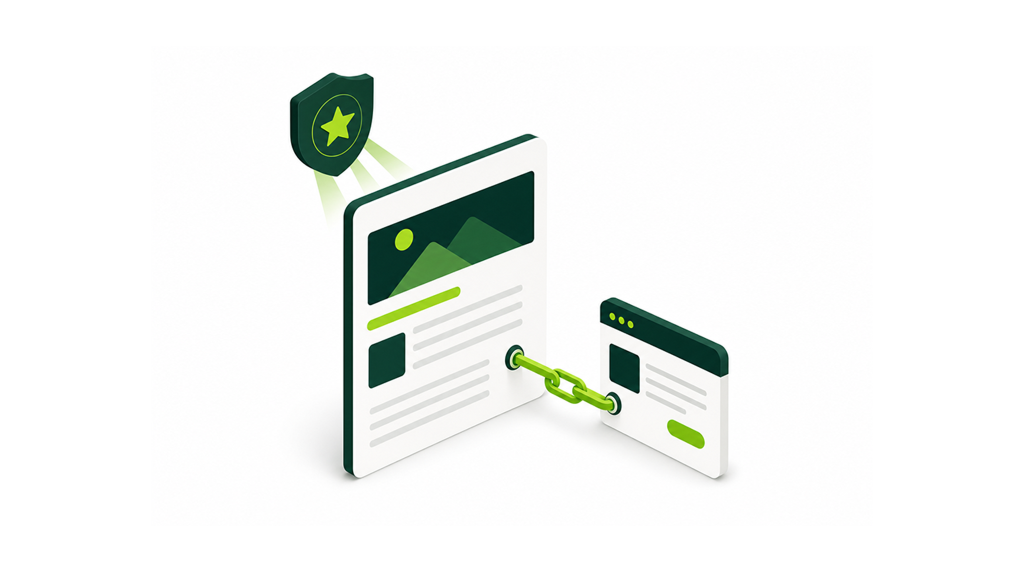
Let’s say that a cybersecurity SaaS website gets a backlink from a blog article that discusses data protection. The backlink has niche relevance because the topics align, the placement is natural, and the surrounding content supports your page.
Niche Backlinks vs. General Backlinks
General backlinks can come from any website, but niche placements come from pages connected to your industry or topic. We found that niche related backlinks from smaller, topic-related sites are more likely to convert compared to random pages with high website authority.
Why Are Niche Relevant Backlinks Important for SEO
Niche relevant backlinks matter for SEO because they support topical authority, trust, and rankings. Our experts also use them to promote referral traffic, better link context, and a natural backlink profile.
Topical Authority
Search engines understand your niche expertise better when multiple websites link to your page. For example, if you sell customer onboarding software, it becomes easier for search engines to find the association if you get niche backlinks from SaaS blogs.
Ranking Potential
Backlinks support better organic rankings, but only when relevant. We focus on links from related articles and industries, as they have better ranking potential than those from unrelated sources.
Qualified Referral Traffic
High-quality niche-relevant backlinks draw users who already want to know more. For instance, links for a link building service are more successful if they come from a marketing blog instead of a lifestyle one.
Natural Backlink Profile
Healthy backlink profiles include placements from websites connected to your business. We avoid irrelevant links because they look unnatural and offer little SEO value.
Get instant access to 50k+ verified publishersand secure placements without outreach.
Niche Relevant Backlinks vs. GEO Relevant Backlinks
Niche and GEO relevant backlinks measure different alignments. While the former focuses on industry and topic alignment, GEO relevance works with location and market placement. Here is how niche relevant backlinks & Geo relevant backlinks compare:
Niche Relevant Backlinks
GEO Relevant Backlinks
Industry or topic relevance
Location relevance (county, city, target market)
Supports topical authority
Offers local search relevance
Best for SaaS, eCommerce, and affiliate SEO
Best for regional visibility and local SEO
For example, niche relevant backlinks work for an SEO blog that links to a link building agency. GEO links work when you have a business directory in New York that links to a law practice in the area.
When Niche Relevance Works
Niche relevance is effective for websites that target industry-specific keywords. We implement it with SaaS, B2B, affiliate sites, tech, and other high-competition pages.
When GEO Relevance Is Better
We mostly use GEO relevance for local businesses, region-specific services, and local SEO. Our agency uses it to strengthen country-specific landing pages and sites that need visibility in specific markets.
When You Need Both Niche and GEO Relevance
We believe that the strongest link building opportunities come when you use both. For example, if you have a law practice in Toronto, we’ll try to get links from a Canadian legal journal for topic and location alignment.
When Is a Backlink Niche Relevant?
Backlinks are niche relevant when they match the right signals, including:
Website relevance
Page relevance
Contextual relevance
Audience relevance
Anchor relevance
Meeting all items on this checklist sends a stronger trust signal.
Website-Level Relevance
We prioritize websites with a focus that matches your industry. For example, a finance page that links to a loan provider will offer more niche relevance than a generic entertainment platform.
Page-Level Relevance
Websites with broad domains can still have niche-relevant backlinks if the specific page makes sense. For instance, a bigger publication such as Forbes can host relevant articles on topics like fintech or eCommerce, which strengthens trust signals.
Contextual Relevance
Backlinks are introduced in paragraphs where the surrounding text supports the placement in a natural way. Links shouldn’t feel randomly inserted or lacking contextual symmetry: that tells the search engine they were likely paid for.
Audience Relevance
When you add or buy relevant backlinks, they should overlap with the host website’s target audience. We rely on audience relevance to improve engagement, referral traffic, and conversion rates.
Anchor Text Relevance
We strategically insert anchors to make sure readers can understand the topic more easily. For example, if the audience of the linking website is SEO professionals, we use an anchor such as “keyword research tool.” Other than that, we keep keywords as natural and varied as possible, mixing exact matches with brand mentions for a balanced profile.
Types of Niche Relevant Backlinks
Not all niche relevant backlinks are built the same, so we use various types for balanced SEO support.
Link Type
Acquisition Method
Editorial
Earned naturally through content relevance
Guest Post
Writing articles for partners
Niche Edits
Inserting a link into existing content
Forum
Answering forum queries
Resource Page
Getting added to directories
Digital PR and Quotes
Offering expert insights to the media
Editorial Backlinks
Editorial links appear naturally or semi-naturally and are added by publishers to support their content. They are valuable when placed on a relevant website because the placement is contextual.
Guest Post Backlinks
We use guest posts to earn niche-relevant backlinks by publishing full articles on relevant hosting pages. Quality and relevance are prioritized over volume to bring long-term value. High-quality posts should generally be aligned with the website’s audience and drive traffic with intent.
Niche Edit Backlinks
Niche edits are added to existing articles and are effective because the content is already indexed and has traffic. We always avoid random or low-quality link insertions that can harm your brand.
Niche-Relevant Forum Backlinks
Forum backlinks support referral traffic when they appear naturally in discussions that are relevant. We avoid spammy tactics and irrelevant profile inclusions with niche-relevant forum backlinks because they bring minimal value and look manipulative.
Resource Page Backlinks
Resource pages, industry guides, and tool links offer high-quality placements when the content warrants inclusion. Our team focuses on recommended vendor pages and curated sources that add value.
Digital PR and Expert Quote Links
Expert commentaries, interviews, data campaigns, and industry insights earn links that offer authority and brand visibility. Natural Links supports these types of links through blogs, media websites, and publications that cover the same topic.
How to Build Niche Relevant Backlinks
We build niche relevant links through research, outreach backlinks, building relationships, and qualification prospecting.
Check the Competition’s Backlinks
We review your competition to find blogs and publications that they are already linking to. This gives us realistic link opportunities.
Create Linkable Content for Your Niche
A relevant guide is more likely to link to content that offers industry value. We prioritize guides, statistics pages, research, comparison pages, and expert-led content that brings value.
Rely on Targeted Outreach
We personalize our outreach and send niche edit backlinks to platforms within the same industry. Our experts create pitches that explain why the content is useful to the page’s audience, rather than just asking for links.
Publish Guest Posts on Relevant Sites
It’s important for us to create guest posts that share the same audience and industry. We send out useful, non-generic content, which can naturally connect with the target page and thus bring real organic traffic.
Find Suitable Niche Edit Opportunities
We look for existing articles that could benefit from your contextual links to improve the content. It’s crucial to check whether there are outdated references, broken links, missing resources, or articles that could use expert insight.
Transform Brand Mentions into Backlinks
Brand mentions can become backlinks with polite outreach. This tactic is easier than cold link building because the site is already familiar with the brand.
Build Partnerships in Your Industry
Long-term relationships lead to stronger link opportunities, even without direct outreach. Our team connects with bloggers, journalists, niche publishers, and associations to promote evergreen link building.
How to Qualify Niche Relevant Backlink Opportunities
Not every niche offers link quality, so you should know what to look for and what to avoid:
Criteria
Look For
Avoid
Topical Focus
Matching content
Sites with excessive coverage
Organic Traffic
SERP visibility
Poor traffic from search engines
Content Quality
Original and clear writing
AI-generated content with poor formatting and fluff
Outbound Links
Links to trusted resources
Plenty of sponsored links
Context
Naturally placed links
Links hidden in unrelated sections or paragraphs
Topical Relevance
The linking site should be associated with your niche. We determine relevance through domain rating, domain authority, and other third-party metrics.
Ranking Keywords and Organic Traffic
Ranking keywords and organic traffic tell us if the site has real search visibility. A page may have a high SEO authority score, but it holds little value with no traffic or rankings.
Quality of the Content
Natural Links prioritizes sites with useful articles and clear structures, as they’re the ones offering strong link opportunities. We look for consistent publishing and content written for readers, not just for link building.
Outbound Links
Websites that consistently link out to multiple unrelated niches are risky. We check whether the platform has too many sponsored posts, pharma/casino/adult backlinks, or unnatural patterns.
Link Placement and Context
We make sure the link is naturally placed in a context that supports the anchor text. It shouldn’t be in the footer, author bio, sidebar, or unrelated paragraphs.
Should You Buy Relevant Backlinks?
Many businesses purchase backlinks through sponsored content, link-building agencies, and outreach services, but quality control is key. Buying links just to manipulate ranks is risky if the placements are low-quality, irrelevant, and over-optimized.
When Buying Relevant Backlinks Makes Sense
Buying backlinks makes sense if they’re placed on real, relevant pages with useful content, aligned audiences, and industry relevance. We introduce these placements as part of a broader link building strategy.
Red Flags When Getting Niche Backlinks
We advise on the following red flags when buying niche relevant backlinks:
Guaranteed rankings
Cheap bulk pages
No traffic
Irrelevant domains
Duplicated content
Fake metrics
Exact match anchor abuse
Websites made to sell links
Warning! If a website has content and links from every niche possible without any editorial consistency, it’s probably a link farm and not a real publication.
Why Are Manual Quality Checks Important
Automated metrics never tell the full story and can miss important data because the engine misreads the signals. We manually check for relevance, content quality, outbound links, anchor texts, and placement types to reduce risks.
Mistakes to Avoid When Building Niche Relevant Backlinks
We stay away from common mistakes that create unnecessary risks and reduce SEO value. This includes the following:
Prioritizing DR Over Relevance
A high website authority does not automatically mean high value or relevance. For example, a site with a DR of 80 from an unrelated niche offers weaker topical authority compared to a closely connected one with a 35 DR.
Using the Same Anchor Text
Repeatedly using exact-match anchors looks unnatural and could cause search engines to flag you as spam. For this reason, we use a mix of branded keywords, partial matches, natural and topical anchors for a balanced profile.
Getting Links from Irrelevant Guest Post Farms
Many sites publish content across multiple niches just for the sake of selling links. We actively avoid them because they have weak topical focus and offer poor long-term value.
Overlooking Page-Level Context
Relevant domains can also publish irrelevant articles, which makes careful selection key to quality link building. We avoid placing URLs within unrelated content and paragraphs because it weakens the semantic context. We ensure the surrounding paragraph matches the link and anchor, creating a stronger vote of confidence.
Building Links With No Content Strategy
We avoid sending high-value links to weak, thin, and poorly optimized target pages because they limit the impact for the user. Backlinks work better when they support a strong landing page, so we match intent while bringing genuine value to visitors.
Best Practices for Niche Relevant Link Building
The performance of a strong niche relevant backlinks campaign depends on more than the number of links acquired. We regularly monitor the following SEO, traffic, brand, and visibility metrics. Also, our team uses an organic mix of links and anchors to create evergreen content and permanent backlink potential.
KPI
What It Shows
Topical Relevance
Industry authority
Organic Traffic Growth
SEO impact
Referral Traffic
Audience alignment
Brand Mentions
Visibility growth
Link Placements
Contextual value
We rely on these best practices:
Focusing on relevance first
Building links gradually to avoid triggers
Maintaining editorial quality standards
Prioritizing contextual placements
Creating genuinely useful content
Final Thoughts
Niche relevant backlinks are important because they combine SEO authority, topical relevance, trust, and referral traffic. Our goal is not just to build more links, but to bring better links from sites that make sense for your brand. Let our experts at Natural Links review your backlink opportunities and create a relevant link-building strategy.Our team helps secure niche relevant backlinks through linkable assets and personalized outreach. We build strategies based on topical relevance, competitor analysis, and high-intent anchor text strategies to support organic growth.
Ensure your website is fully optimized with our comprehensive SEO checklist for 2024. Covering all essential aspects from keywords to technical SEO, this guide is your roadmap to success