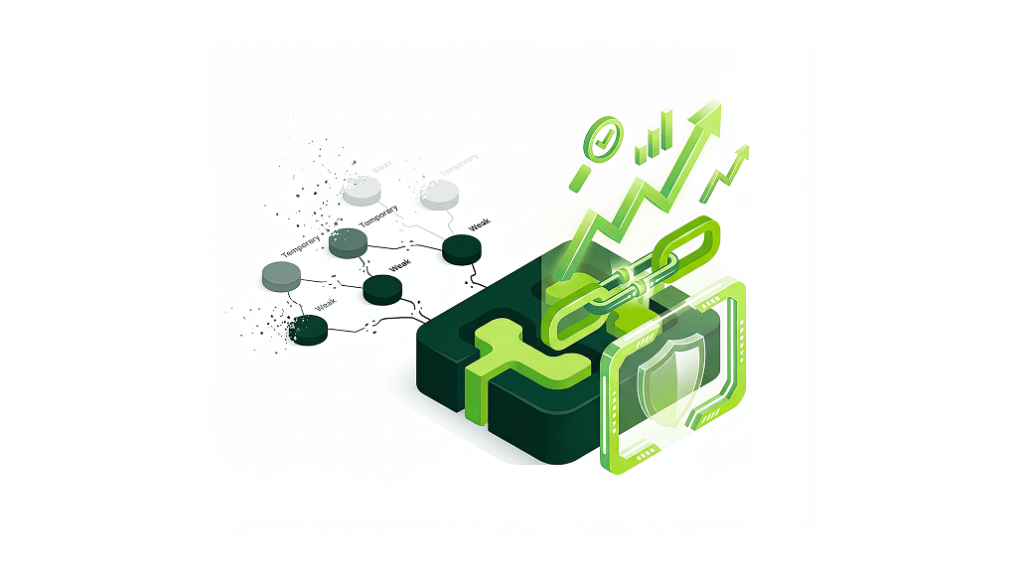
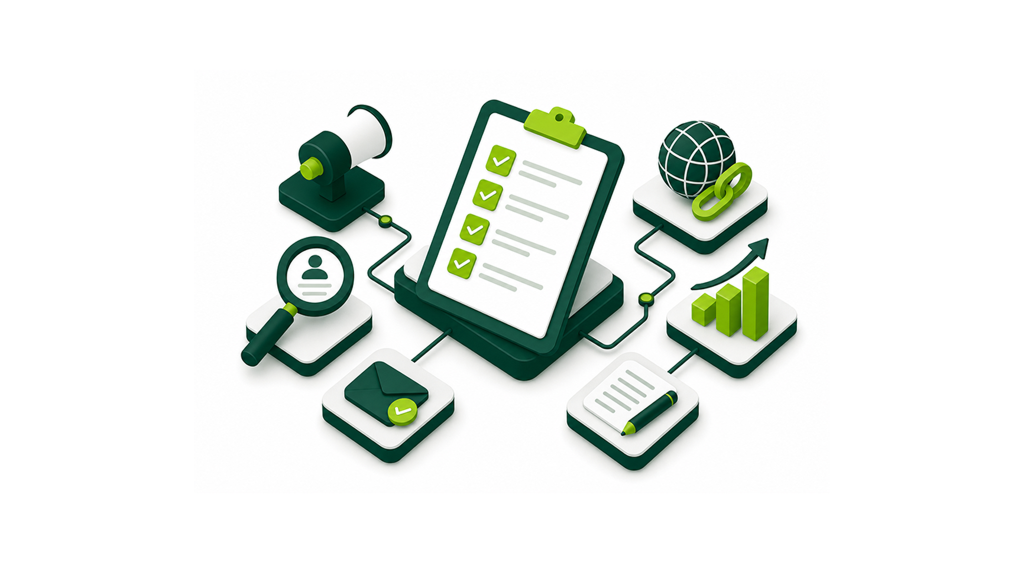
Different backlinks influence your page rankings in various ways. This is because of link equity, the ranking value a page passes to another page through a hyperlink. This page is for in-house marketers, site owners, and SEOs who want a real, working understanding of how equity is calculated, how to build more of it, how to direct it to the pages that matter, and how to stop losing it through easily avoidable technical mistakes.
What is Link Equity?
Link equity, also known as link juice or juice link, is the ranking value a page passes to another page through a hyperlink. The stronger and more relevant the linking page, the more equity it transfers.
The concept originated thanks to PageRank, Google’s original method for scoring pages. PageRank treated every link on the web as a vote of confidence. This treatment was not equal for all links.
A link from a well-established, authoritative page carried more weight than a link from an obscure one. The practical takeaway is that when a page links to yours, some of that page’s own authority flows back to you.
Link Equity vs. Link Juice vs. SEO Equity
If you’ve spent any time reading SEO forums or older blog posts, you’ve likely run into link juice, Google juice, or SEO equity. These describe the same idea across different eras of SEO writing. As a result, these are not competing concepts.
“Link juice” and “Google juice” were the informal terms early SEO practitioners used to describe how ranking power moved between pages. “Link equity” and “SEO equity” are the terms that are actively used in current, more professional SEO writing. Moz played a large role in spreading “link equity” or “backlink equity” as the clearer, more precise successor to the older slang. This shift reflected the industry maturing instead of changing its underlying mechanics.
One must also distinguish Domain Authority (DA), which estimates a domain’s overall link equity on a 1-100 scale.
How Link Equity Is Calculated and Distributed
Understanding the mechanics behind link equity SEO lets you make assumptions and reason about your own site, rather than accepting the definition at face value. A handful of factors determine how much equity a single link actually passes. These include, but are not limited to:
- Authority and trust of the linking page. A link from a well-established, frequently cited page passes more equity than one from a thin or newly published page;
- Topical relevance. The topical fit between the linking page and the page it links to. Equity from a closely related topic tends to carry more ranking weight than equity from an unrelated one;
- Number of other outbound links on the linking page. Equity is divided among every link on that page, so a page with dozens of outbound links passes less to each one;
- Placement and prominence of the link. A link in the main body content tends to carry more weight than one hidden in a footer or sidebar.
A critical nuance that many site owners miss is that backlink equity flows page-to-page instead of domain-to-domain. A strong domain with a weak, deeply buried page will still pass little equity from that specific page. That is because the page itself hasn’t accumulated much authority, even if the domain as a whole is respected.
Whether any equity flows at all also depends on how one codes the link. This brings about the distinction between dofollow and nofollow links, which will be covered in the next section.
Another layer you must understand is crawl budget and site architecture. Search engines allocate a limited amount of crawling attention to any given site. A clear, shallow site architecture makes it easier for that crawling attention, and the equity that comes with it, to reach every page that deserves it. A sprawling, disorganized architecture can leave whole sections of a site under-crawled, and, as a result, under-supplied with equity. This can happen even when the content itself is strong.
Dofollow vs. Nofollow Links
Link attributes act as an on/off switch for equity. Link rel nofollow, rel=” sponsored”, and rel=”ugc” all tell Google not to pass full equity through a link - Google treats these as hints rather than full votes of confidence.
These attributes show up most often on comment sections, paid or sponsored placements, forum profiles, and most social media platforms. This is because site owners cannot be fully responsible for the outbound content.
The practical takeaway: a nofollow link can still send real referral traffic and brand visibility, just not direct link equity. Don't dismiss nofollow placements entirely in favor of dofollow links.
What Dilutes or Wastes Link Equity
Link equity in SEO dilution happens in a few predictable ways, and most are within your control:
- Too many outbound links on one page split the available equity into smaller and smaller shares.
- Duplicate or near-duplicate content competes for the same equity.
- Linking to low-value or irrelevant pages instead of directing equity toward the pages you actually want to rank.
Each of these is a leak, which is small individually, but compounding across a large site. On a site with thousands of pages, a handful of unnecessary outbound links, a batch of near-duplicate blog posts, or a pattern of linking to outdated pages can quietly redirect a meaningful share of equity away from revenue-generating pages. The Protect section later in this guide covers how to catch and fix them.
How to Build Link Equity
Once the question of what is link equity has been answered, the next step is generating more equity to work with.
Earn Backlinks From Relevant, Authoritative Sites
When choosing where to earn links, prioritize topical relevance over raw Domain Authority (DA). Realistic link sources include guest posts on industry publications, digital PR campaigns tied to genuine news or data, resource and roundup mentions, and links from existing customers or partners who already have a reason to reference you.
If building this kind of outreach in-house isn't realistic for your team or link equity manager, Natural Links' backlink and outreach service focuses on securing links from relevant, authoritative sites rather than volume for its own sake.
A single high-relevance backlink from a respected site in your niche will often do much more for your rankings than you ever expected. Chasing volume over fit is one of the most common ways sites end up with a backlink profile that looks large but passes very little useful equity.
Structure Internal Links to Spread Equity
Internal linking is the fully controllable half of the equation. Internal links redistribute the equity that the website already has, and no new backlinks are required. You have to link from your highest-authority pages down to the commercial or priority pages you most want to rank. Descriptive, varied anchor text helps Google understand what each linked page is about, rather than passing equity without topical signal.
You can easily miss internal linking opportunities because they aren't in your main navigation. A well-trafficked resource like the Natural Links SEO checklist is a natural place to link out to related cornerstone content.
How to Pass Link Equity Effectively
You may already have plenty of link equity on your site - the real question is whether it's routed to the right places. This section is aimed at readers auditing an existing site rather than starting from zero.
Internal Linking Best Practices for Equity Flow
Several best practices help improve equity flow, trust flow, and citation flow. They include:
- Link from newer, high-traffic content back to your cornerstone pages, so fresh authority keeps flowing to the pages that matter most.
- Avoid orphan pages - pages with zero internal inlinks receive no internal equity at all, no matter how good the content is.
- Keep click-depth shallow for priority pages - fewer clicks from the homepage generally means more internal link juice reaches them.
Smart internal links ensure your top pages get the ranking authority they need.
301 Redirects and Link Equity
A 301 redirect passes most of the linked page's equity to its new destination, provided the redirect points directly to the final URL rather than through a chain.
A 301 (permanent) redirect preserves most of the equity the old URL earned. A 302 (temporary) redirect doesn't send the same signal to Google and shouldn't be used for permanent moves. Google has not published an exact percentage of equity preserved through a 301 - treat it as "most" or "the large majority," not a fixed number.
Equity can still be lost across long redirect chains, where URL A redirects to B, which redirects to C. Each additional hop in the chain risks losing some equity along the way, so always redirect straight to the final URL. This matters most when consolidating pages or migrating URLs during a site restructure.
Canonical tags work alongside redirects but serve a different purpose: instead of sending users and equity to a new URL, a canonical tag tells Google which version of near-duplicate content should be treated as authoritative, consolidating equity onto that one version without moving anyone anywhere.
Getting this wrong – for example, canonicalizing pages inconsistently – can quietly split equity the same way duplicate content does, which is why it's worth reviewing canonical tags during any migration alongside your redirect map. For a broader technical checklist to run through during a migration, the Natural Links SEO checklist covers the surrounding steps this guide doesn't go into.
How to Protect Link Equity From Leaking or Being Lost
Equity is easy to earn and just as easy to lose through neglect. The following issues are the most common leaks - each one is a quick, practical fix once you know where to look.
Redirect Chains and Broken Internal Links
Broken internal links - pages returning a 404 - simply drop whatever equity would have flowed through them. Run periodic internal link audits and update links promptly after any URL change to keep SEO juice flowing instead of dead-ending. A quarterly crawl of your own site with a standard SEO crawler is usually enough to catch most of these before they accumulate.
Orphan Pages and Thin Internal Linking
Pages with no internal links pointing to them have almost no internal link juice SEO. As you publish new content, add contextual internal links from related existing pages. This is especially common on large blogs, where older posts get buried under newer ones and quietly stop receiving internal links altogether.
Toxic or Irrelevant Backlinks
Links from spammy or wholly unrelated sites almost never bring any meaningful equity. Besides, they often become a reason for manual scrutiny of your page or website. Review your search engine optimization backlink profile periodically, but reserve disavowing links for clear, justified cases. You can also outsource this task to a professional SEO team.
Want Backlinks That Actually Pass Equity?
Building links is only half the job - they need to land on pages with real authority and route through a site structure that actually passes that value where it counts. Natural Links builds relevant, authoritative backlinks and structures internal linking so the equity you earn actually reaches your priority pages, instead of leaking out along the way.
FAQ
What is link equity?
SEO link equity is the ranking value a page gives to another page via a hyperlink. The strength of the linking page, its topical relevance, and how the link is coded (do-follow vs. nofollow) show how much equity actually transfers.
What is link juice?
It is the older, informal term for link equity. Both describe the same mechanic - it's simply the terminology that shifted as SEO writing matured, with "link equity" becoming the more common term than linkjuice today.
Does a 301 redirect pass all link equity?
A 301 redirect passes the large majority of a page's equity to its new URL, not necessarily all of it, and only when it points directly to the final destination. Redirect chains reduce how much SEO link juice survives the trip.
How does anchor text affect link equity?
Anchor text doesn't change how much equity a link passes, but it tells Google what the linked page is about, which affects how well that equity translates into rankings for relevant queries. Descriptive, varied anchor text is generally more useful than repeating the exact same phrase across every link.
Can I recover link equity from a page I'm about to delete?
Yes. To recover link equity, redirect the page with a 301 to the closest relevant replacement before deleting or unpublishing it. Deleting a page outright without a redirect simply discards whatever equity that URL had accumulated over time.
What are crawl budget and site architecture?
One more layer that you must understand beyond what is link juice is crawl budget and site architecture. Search engines allocate a limited amount of crawling attention to any given site. A clear, shallow site architecture makes it easier for search engines to use that crawling attention.
What is link equity distribution?
Link equity distribution describes how the accumulated page authority gets divided among the pages it links to - both through external links and internally, through the site's own link structure.
Do duplicate links dilute link juice?
Yes, duplicate links dilute link juice. This is when two or more pages target the same topic or query; they compete for the same equity instead of consolidating it onto one authoritative page, weakening the ranking potential of both. Canonical tags fix link dilution by directing search engines to pass all link equity to the preferred primary URL.
CEO and co-founder of Natural Links
Published September 11, 2026
Updated September 17, 2026